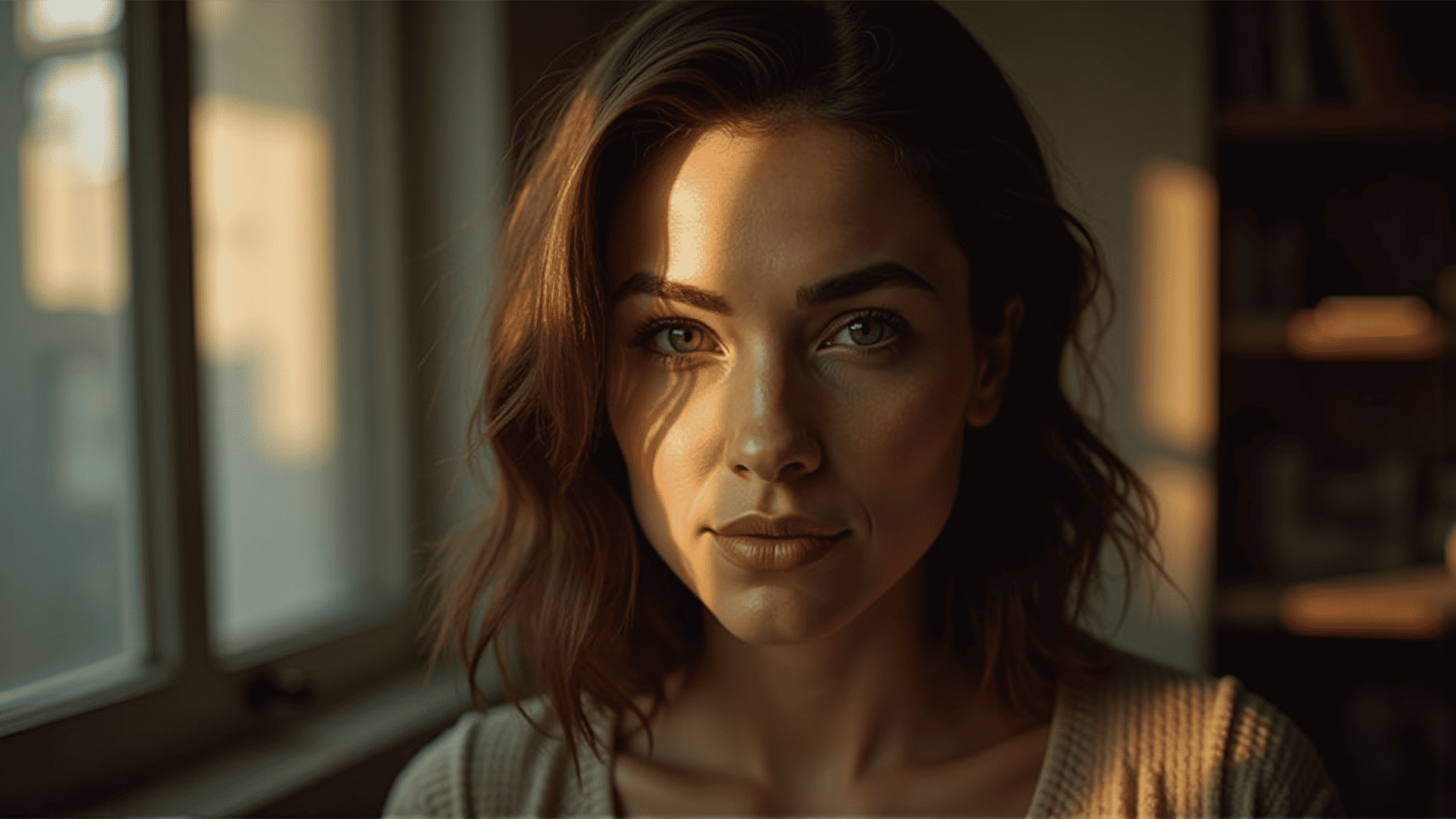
Lighting is a fundamental element in photography, influencing the mood, depth, and overall impact of an image. By mastering various light-related techniques, you can elevate your photographic skills and create visually striking compositions, regardless of the setting.
1. Natural Light: Leveraging sunlight is often the most accessible yet powerful approach. The quality of sunlight varies throughout the day, with the golden hour, shortly after sunrise or before sunset, offering a warm hue perfect for portraits and landscapes. During midday, when the sun is harsh, look for diffused light by seeking shaded areas or using natural reflectors like walls and the ground.
2. Artificial Light: Indoor settings often require supplemental illumination. Using household lamps or LED lights can add warmth and dimension. Experiment with positioning to avoid unwanted shadows and utilize household objects, like mirrors or foil, as makeshift reflectors to direct and soften the light.
3. Flash Photography: For low-light conditions, a flash can be invaluable. However, direct use of a flash can create a stark and flat appearance. Consider bouncing the flash off ceilings or walls to diffuse the light. Another strategy is to use a detachable flash unit to experiment with light direction and intensity.
4. Backlighting: Positioning your subject between the light source and your camera can produce dramatic silhouettes or glowing edges. This technique works beautifully for portraits, adding an ethereal quality. Adjust your camera settings to ensure proper exposure and prevent subjects from becoming underexposed.
5. High-Key and Low-Key Lighting: High-key lighting is characterized by bright environments with minimal contrast, producing an airy feel. This is ideal for creating cheerful and soft images. Conversely, low-key lighting highlights contrast and shadows, lending a sense of mystery and drama to portraits and still lifes.
6. Side Lighting: Illuminating a subject from the side enhances texture and reveals depth. This technique highlights facial features and textures in still life. Adjust the positioning and angle to achieve the desired contrast and detail.
7. Golden Hour and Blue Hour: Beyond simply utilizing sunlight, the golden hour enriches colors and tones, beneficial for expansive landscapes and portraits. Meanwhile, the blue hour, following sunset, offers cooler tones with a subtle, tranquil atmosphere perfect for cityscapes or waterscapes.
8. Light Painting: In low-light settings, using a long exposure time can allow you to "paint" with light. Handheld light sources, like flashlights or LEDs, can create trails of light around a subject, adding a dynamic element to the image. Experiment with varying light sources and colors for diverse effects.
9. Understanding Color Temperature: Different light sources emit different color temperatures, affecting the color cast in images. Understanding how to adjust white balance settings on your camera can ensure accurate colors, whether under fluorescent, incandescent, or natural lighting.
By exploring these diverse techniques, photographers can adapt to any situation and utilize light creatively to enhance their work. Understanding and playing with lighting can transform a simple scene into a captivating image, adding layers of meaning and emotion in every shot.